Know Your Agent: Trust in Agentic Payments
AI agents are becoming capable of doing more than finding information or recommending actions. Increasingly, they can initiate transactions on behalf of users and businesses.
That changes the trust model behind a payment.
When a person pays, financial systems have established ways to identify the customer, authenticate activity and monitor transactions. When software acts on that person's behalf, businesses also need to understand who the agent represents, what it is authorised to do and who remains accountable for its actions.
For agentic payments to move beyond experimentation, trust needs to be built into the transaction from the start.
Why Do AI Agents Create A New Trust Challenge?
AI agents create a new trust challenge because the entity executing a payment is no longer necessarily the person or business that authorised it.
A user can give an agent permission to search, compare and transact without manually approving every individual step.
This creates important questions for payment providers and businesses:
- Who does the agent represent?
- What has the agent been authorised to do?
- Which transactions fall outside that authority?
- How should unusual agent activity be identified?
- Who remains accountable when something goes wrong?
These questions go beyond payment execution. They involve identity, permissions, monitoring and governance across the entire transaction lifecycle.
What Does It Mean to Know An AI Agent?
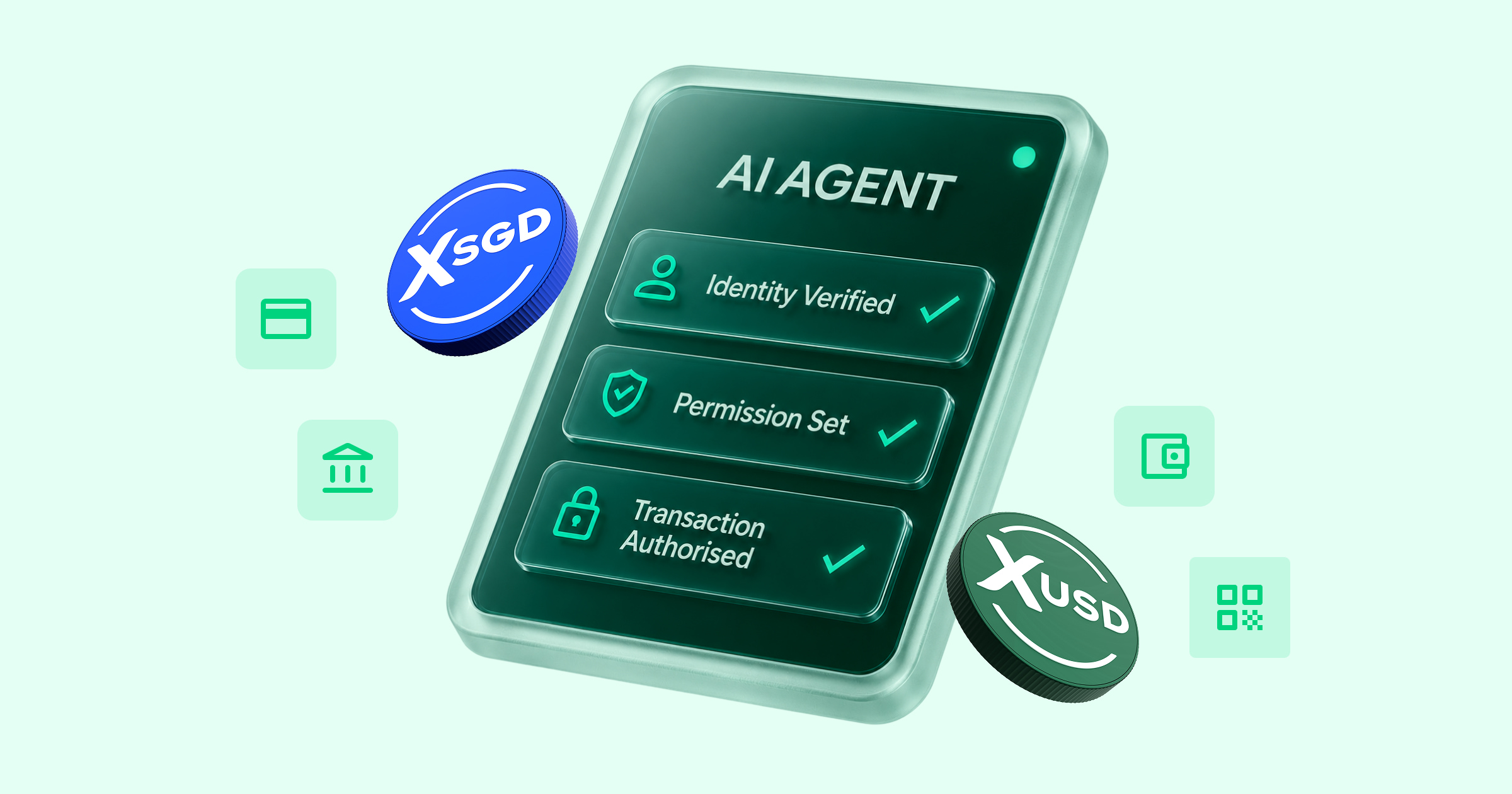
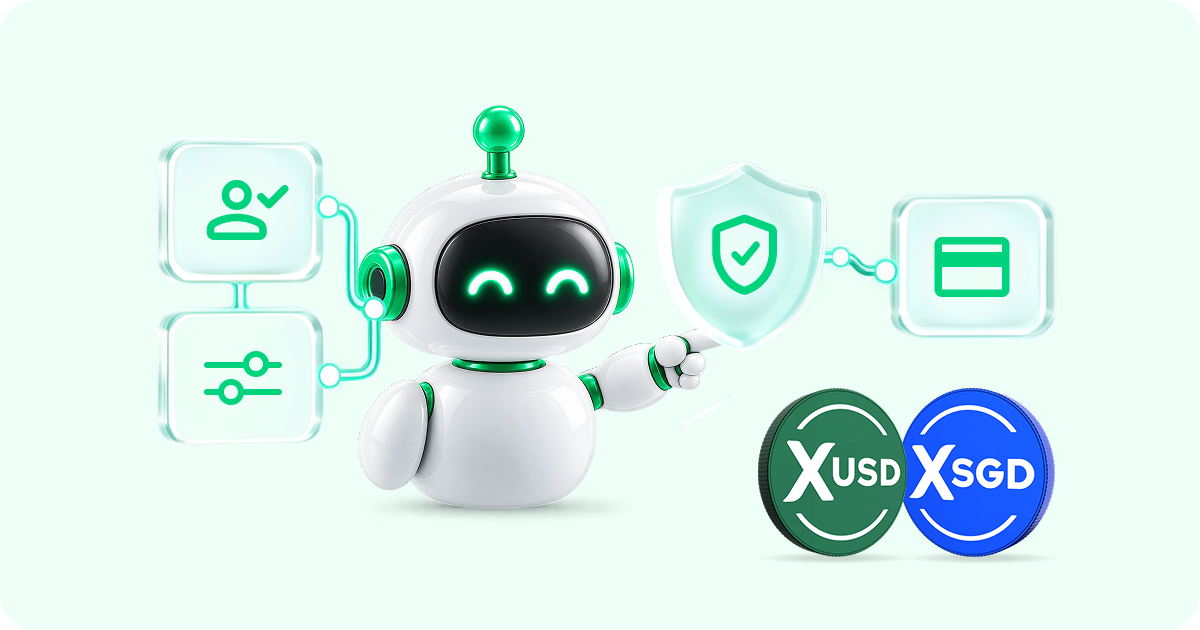
Knowing an AI agent means understanding the party behind it, the permissions it has received and the context in which it is allowed to transact.
An AI agent should not be treated as an unidentified software process with unrestricted access to a payment method.
Before an agent begins transacting, businesses need a clear relationship between the agent and the user or organisation it represents.
This can include establishing:
- The user or business responsible for the agent
- The actions the agent is permitted to perform
- The payment methods and destinations it can access
- The amount and frequency of transactions it can initiate
- The conditions under which additional review is required
The objective is not to identify an AI agent in the same way as a human customer. It is to ensure that its actions can be traced back to a recognised principal and a defined set of permissions.
Why Do Monitoring and Auditability Matter?
Monitoring and auditability matter because businesses need to understand not only what an agent paid, but why the transaction was permitted.
As agent initiated activity increases, transaction records will need to provide enough context for operational review, risk management and compliance processes.
That can include records of:
- The party the agent was acting for
- The permissions in place at the time
- The transaction requested by the agent
- The controls applied before approval
- The final payment outcome
This becomes particularly important where agents execute transactions at a frequency or scale that would be unusual for a human user.
The goal is not to treat every automated transaction as suspicious. It is to distinguish expected agent behaviour from activity that falls outside the intended operating model.
Why Does Trusted Payment Infrastructure Matter?
Trusted payment infrastructure gives businesses a stronger foundation for managing agent initiated transactions as agentic payment models evolve.
Agentic commerce introduces new ways to initiate payments, but the need for security, risk management, operational resilience and accountability remains.
Businesses therefore need payment infrastructure that supports automation while maintaining appropriate controls around how transactions are initiated, monitored and managed.
For agentic payments, trust should not be added after the transaction flow is built. It needs to be considered from the start, alongside identity, permissions and transaction controls.
What Will It Take to Scale Trusted Agentic Payments?
Trusted agentic payments will require common approaches to identity, permissions, monitoring and accountability across the ecosystem.
Many of these standards are still developing.
Financial institutions, payment providers, AI platforms and regulators will need to determine how legitimate automated activity can be recognised, how permissions can travel across systems and how accountability should work when multiple parties participate in an agent initiated transaction.
Interoperability will matter as well. An agent could interact with different applications, payment rails and financial institutions as part of a single task.
Trust therefore cannot exist only inside one application. It needs to remain understandable across the wider payment journey.
How Is StraitsX Approaching Trust in Agentic Payments?
StraitsX approaches agentic payments with the view that greater automation needs to develop alongside clear permissions, transaction controls and accountable payment infrastructure.
Different payment rails can serve different agentic use cases. Cards can connect agents with existing merchant acceptance, while stablecoins can support software driven transactions and programmable settlement.
The trust requirements remain consistent across those environments.
Businesses need to know who the agent represents, what it has been permitted to do and whether the resulting transaction remains within those boundaries.
Through its work across stablecoins, payment infrastructure and agentic commerce initiatives, StraitsX is exploring how these principles can be applied as AI agents become more active participants in digital commerce.
The industry is still developing common approaches to agent identity, permissions and accountability. Progress will require collaboration between AI platforms, financial institutions, payment providers and regulators.
But the underlying requirement is already clear: an AI agent should not simply be able to pay. Businesses also need to understand why it was allowed to pay.
That is the trust layer agentic commerce will need as it moves into real world use.
Building an agentic payment use case? Speak with our team.
Frequently Asked Questions
What does “Know Your Agent” mean in agentic payments?
It refers to understanding who an AI agent represents, what permissions it has and the conditions under which it is allowed to transact. It is not presented here as a formal regulatory standard.
Who is responsible for a payment made by an AI agent?
Responsibility depends on the structure of the service and the parties involved. Businesses therefore need clear rules connecting agent actions to the user or organisation authorising them.
How can businesses control AI agent payments?
Businesses can apply controls such as transaction limits, approved merchants, permitted payment methods, monitoring rules and additional review for higher risk activity.
Why is auditability important for agentic payments?
Auditability helps businesses understand what an agent attempted, which permissions applied and why a transaction was approved or declined.
Related Post
.jpg)